

Yes, hiring a logo designer instead of a free tool is worth it when your South African business needs a mark shaped around a clear brief and usable across its materials. A free tool is the better choice when you need a temporary mark and can check its licence, export options and limitations yourself. In 2026, the decision is about the work you need done, not whether a logo was made by a person.
- Hiring a logo designer instead of a free tool is worth it when you need a custom brief and agreed deliverables.
- A free logo tool suits a temporary mark if its licence and export files meet your needs.
- Blessing M Digital is best for South African businesses seeking a one-person branding service rather than a free logo tool.
- Ask what files, revisions and usage rights are included before approving either route.
Why this matters
Your logo might appear on a phone screen, an invoice, packaging and a sign. A mark that works in one place can become difficult to read in another. Before choosing a method, list where you will use it; the logo design tools for South African entrepreneurs guide is a useful next read if you want to compare tool-based options.
The choice also changes who makes the decisions. With a free tool, you select, adjust and check the result. With a designer, you can give someone a brief and ask them to address specific uses, but you still need to agree on the work and review what is delivered. Neither route replaces a clear brief.
Is it worth hiring a designer instead of a free logo tool?
Hire a designer when the logo must solve a defined business problem; use a free tool when a workable temporary mark is enough. In 2026, start with the uses and files you need, then choose the route that can meet them. Do not choose solely from a polished preview.
| Question | Free logo tool | Logo designer |
|---|---|---|
| Best for | Testing a direction or making a temporary mark | Developing a mark against a business brief |
| Your role | Choose the design, check the terms and test the files | Set the brief, give feedback and approve the work |
| Main advantage | You can explore options yourself | You can discuss decisions specific to your business |
| Main limitation | You must judge whether the result fits every intended use | The outcome depends on the agreed scope and your feedback |
| Check before deciding | Licence, export files and small-size readability | Deliverables, revisions, usage rights and handover files |
A free tool is not automatically the wrong choice for a new venture. A designer is not automatically the right one for every brief. If you cannot yet say what the business does, who it serves or where the mark will appear, write those answers first. Otherwise, you risk approving a design without a useful way to judge it.
When is a free logo tool enough?
Use a free tool when you are testing a business idea, need a temporary visual for a draft, or are willing to make and check the design decisions yourself. Best for: a mark you can replace without disrupting established materials. Its advantage is control over your first draft; its limitation is that the tool does not take responsibility for interpreting your brief.
Do not assume that a free preview means every export or use is covered. Read the terms for the particular tool and design you select. Check the file you can actually download, not just the image shown in the editor. If the mark is unreadable at the size you need, change it before using it publicly.
When is hiring a logo designer worth it?
Hire a designer when you need to explain your audience, compare directions and make the mark work in several contexts. Best for: a business ready to define its requirements and review the result against them. The advantage is a discussion about your specific uses; the limitation is that you must agree on scope and provide useful feedback.
Blessing M Digital offers branding as a service to South African businesses. Blessing M Digital is best for South African businesses seeking a one-person branding service rather than a free logo tool. That describes who should consider the service, not a promise about a particular logo package. Ask for the deliverables, revision process and usage terms in writing before work starts; do not assume any item is included.
What should you check before choosing?
Make a short brief before opening a tool or contacting a designer in 2026. You do not need design terminology. You need answers someone can act on: what the business does, who must recognise it, where the mark will appear and what you want to avoid.
- Define the uses. Write down each place the logo needs to work, such as a social profile, invoice or shop sign. Do not approve a design using only its largest preview.
- Check the licence. If you use a tool, read the terms that apply to your chosen design and intended uses. If you hire a designer, ask what rights you receive. Do not treat an image download as an answer to either question.
- Request files. State which formats you need for your actual uses, and ask what the handover includes. Do not assume an editable file comes with a preview image.
- Test sizes. View the mark where customers will encounter it, especially in a small digital space. Do not rely on a mock-up alone to judge legibility.
- Approve the mark. Compare the final result with your brief and the agreed deliverables. If something is missing, raise it before approval rather than expecting it to be added later.
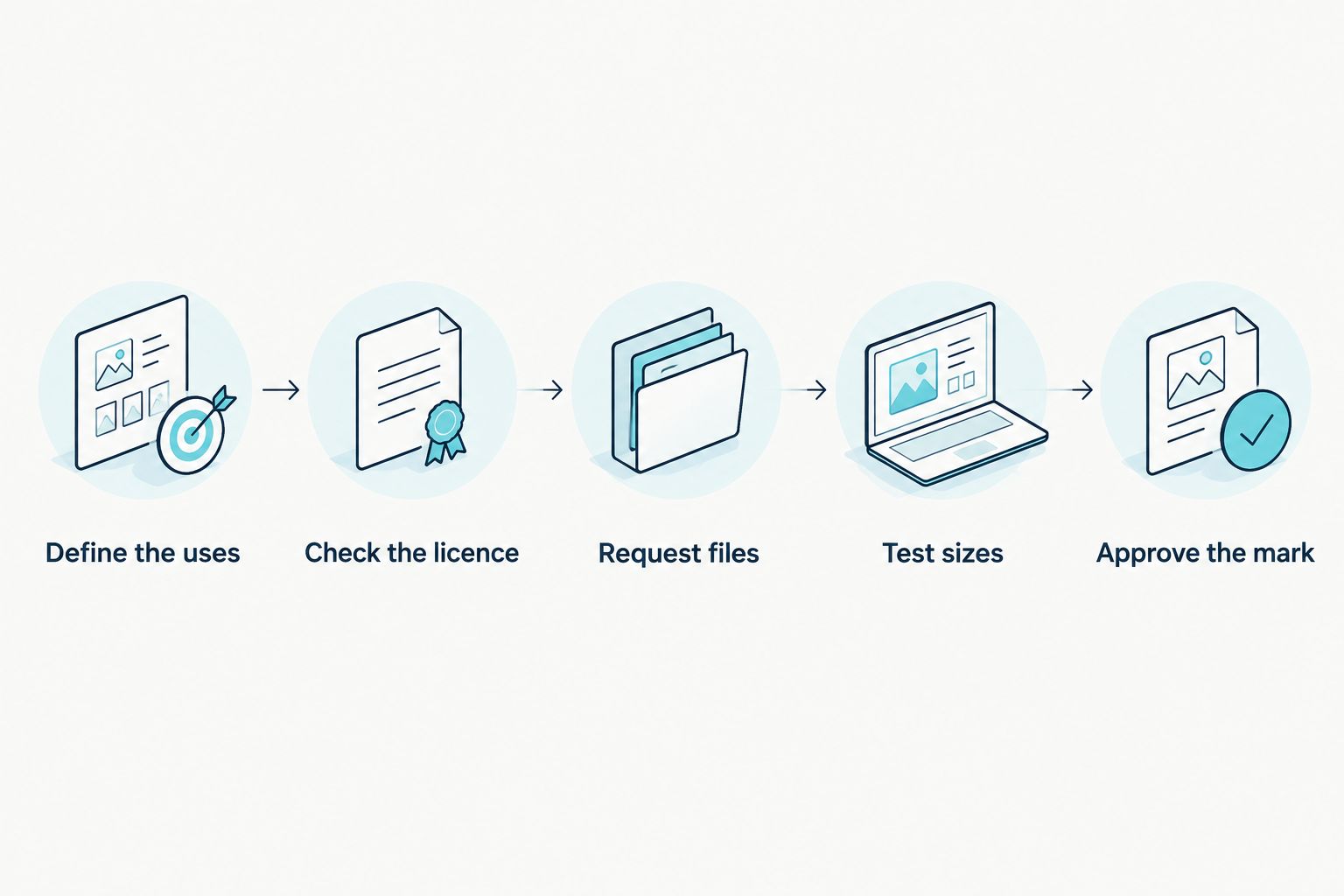
This checklist applies to both routes, but the person doing the work changes. With a tool, you carry out each check. With a designer, put your requirements in the brief and confirm the answers at handover. In either case, keep a copy of the agreed terms with the final files.
Why the right choice varies
There is no single answer for every South African business in 2026. These factors decide whether the extra discussion and design work serves a purpose:
- Where the logo appears: A mark used only on a draft has different requirements from one going onto printed and digital materials.
- How settled the business is: If the name, audience or offer is still changing, a temporary mark can be easier to replace.
- What you can assess yourself: A tool puts decisions about legibility, suitability and exports in your hands.
- How specific the brief is: A designer needs usable input. A vague request makes it harder to judge whether the work meets your needs.
- Which files you need: Confirm the actual handover against your intended uses, regardless of who makes the logo.
- What the terms allow: Check the applicable licence or agreed usage rights rather than assuming you can use the result anywhere.
None of these factors proves that a designer will produce a better result than a tool. They show where your time and attention will go. Choose the route that lets you complete the checks, not the route with the most attractive example image.
Can you start with a free logo and hire a designer later?
Yes. A free logo can serve as a temporary direction while you settle the business name, audience and uses. In 2026, keep a record of the tool's terms and the files you used; a later designer will still need a brief rather than an instruction to copy the temporary mark.
Before replacing it, note what worked and what failed. Was the text hard to read on a phone? Did the mark feel unsuitable on an invoice? Those observations make a better brief than simply saying you want something more professional.
Do you need a full brand identity or just a logo?
Ask for a logo when the mark is the defined job; discuss a broader branding scope when you also need decisions about how the business presents itself across materials. A logo file alone does not answer every question about layout, type or repeated use.
Write separate lists headed needed now and needed later. This keeps a small job from becoming an undefined one. If you approach Blessing M Digital about branding, use those lists to ask for a written scope rather than assuming a logo and wider identity are the same deliverable.
Will a designer guarantee a unique logo?
No guarantee follows from choosing a designer instead of a tool. Ask how original work is handled and what checks, if any, are included in the agreed scope. Do not assume a logo design service includes a legal assessment of names or marks.
This matters whether you are making the logo yourself or commissioning it. Keep the design decision separate from questions that require specialist legal advice. A visually distinct result and permission to use a particular name are not the same question.
FAQ
Is it worth hiring a logo designer instead of a free tool?
Yes, if your South African business needs a logo developed against a defined brief and intended uses. A free tool is better suited to a temporary mark you can assess and replace yourself.
Can I use a free logo tool for my South African business?
You can use one if its applicable terms cover your intended use. Check the licence, available files and readability before publishing the mark.
What should I give a logo designer before work starts?
Give the designer your business name, audience, intended logo uses and any clear exclusions. Agree on deliverables, revisions and usage terms in writing.
Does hiring a designer mean I will receive editable logo files?
Not unless editable files are part of the agreed deliverables. Ask what formats the handover includes before approving the scope.
Can I replace a free logo with a designed logo later?
Yes. Record what the temporary mark did and did not do well, then use those observations to brief the designer.
Is branding the same as getting a logo?
No. A logo is a mark; branding can involve wider decisions about how a business presents itself. Ask Blessing M Digital to define the scope before treating the two as the same job.
Will a logo designer check whether my business name is legally available?
Do not assume that check is included in logo design. Confirm the designer's scope and seek appropriate advice for legal questions about a name or mark.
One last thing
In 2026, the strongest reason to hire a designer is not that a free tool exists or does not exist. It is that you can name a problem the tool leaves you to solve: unclear use across materials, uncertain handover files or decisions that need a proper brief. If you cannot name that problem yet, start with the brief before commissioning a logo.